
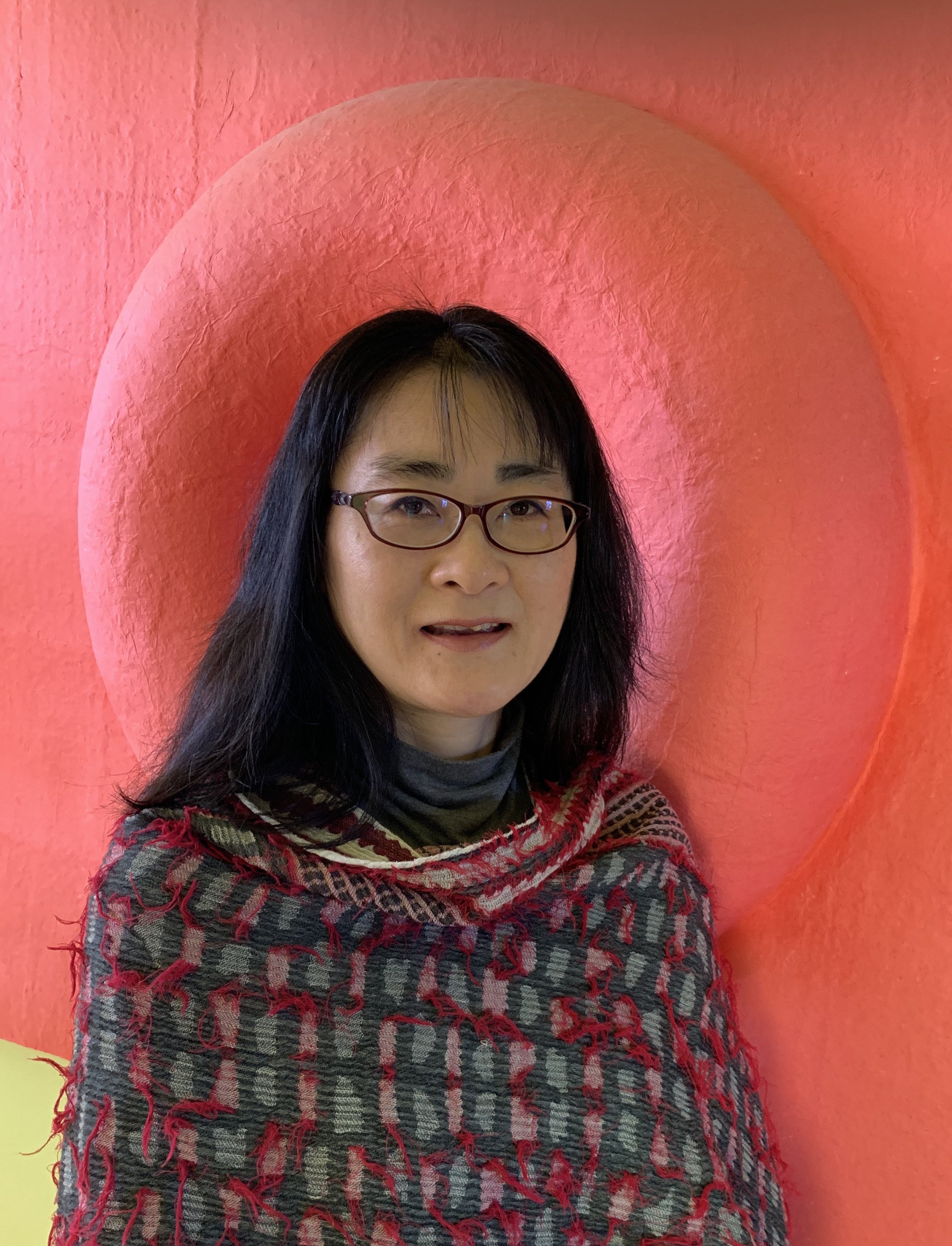
NWDC is pleased to share the art and ideas of Seiko A. Purdue.
Seiko A. Purdue is a Professor in the Fibers/Fabrics area in the Department of Art at Western Washington University. After receiving her Bachelor of Fine Arts at Kyoto Seika University in 1992, she came to the United States, where she received an MA at Montclair State University and a Master of Fine Arts from the School of the Art Institute of Chicago. She has exhibited textile installations widely and has given workshops on Japanese textiles (shibori, katazome, and papermaking) for many years. She has curated several exhibitions, including “Coded Threads: Textiles and Technology” and "Katazome Today: Migration of A Japanese Art.”
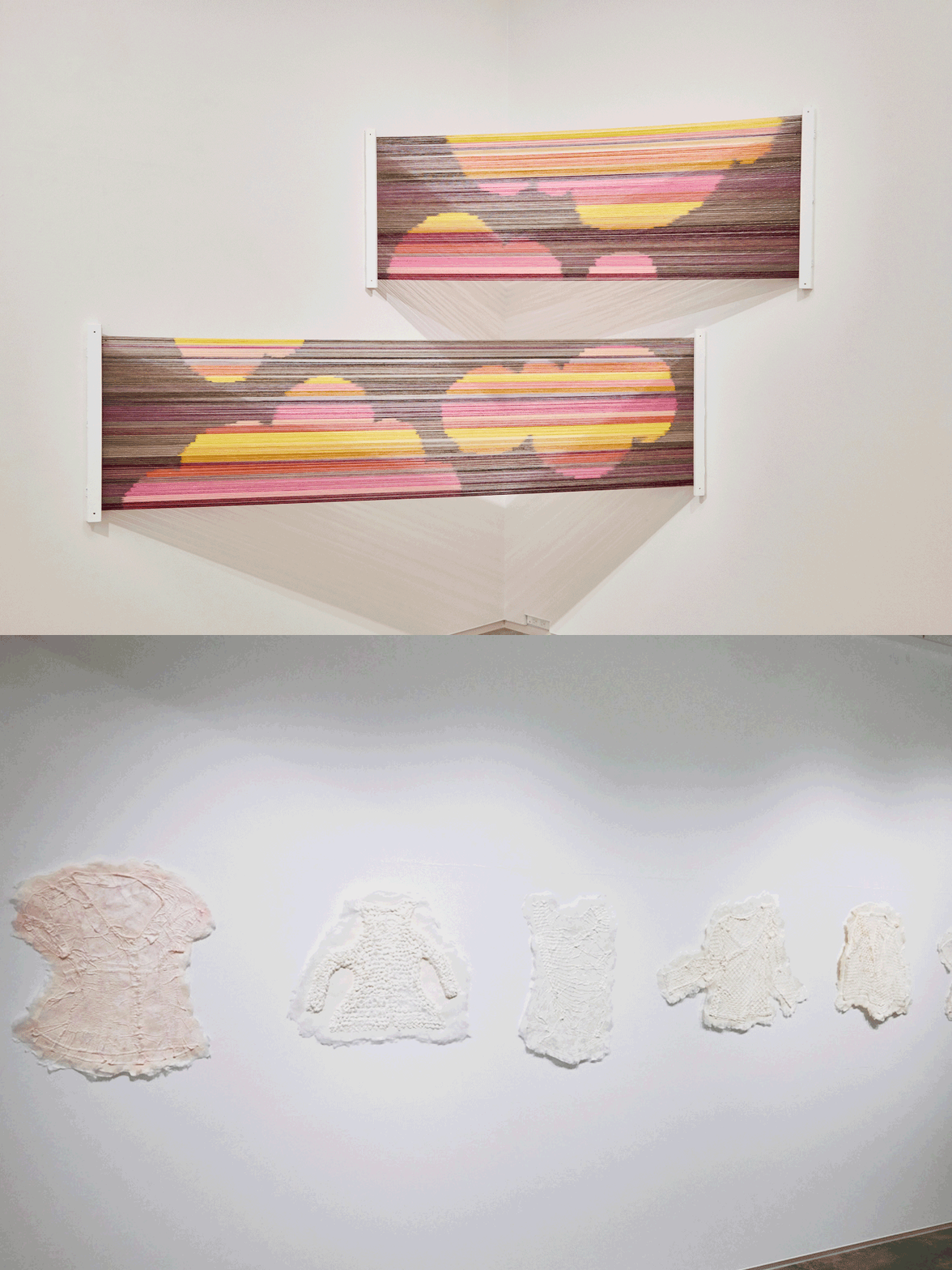
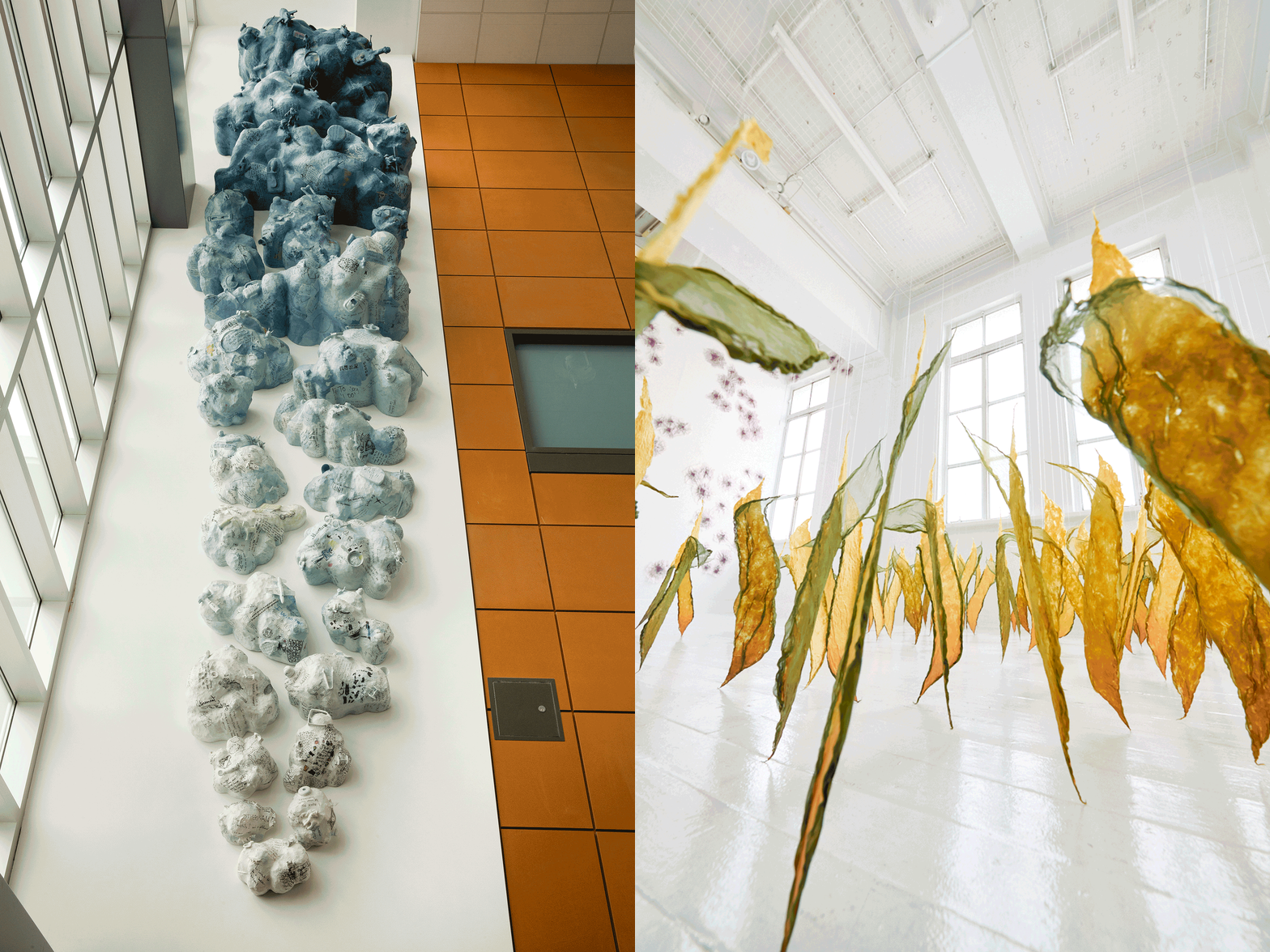
Much of her work is installation-based, using fiber materials or ideas of fiber, seeking to connect East and West. She explores both traditional and contemporary textile techniques, particularly casting. After exploring the theme of motherhood using domestic materials such as clothing and toys, she is moving towards more global issues; “Hyoga (Iceberg)” based on the concept of global warming and “Meadow and Cluster” created during the pandemic. Her concerns about labor and honoring handworks are involved in her artmaking in various ways. Wish Project is ongoing project and “Kumihimo Wishes” is the latest of her public participation work intended to connect human relationships during the pandemic. Recently, she decided to focus more on threads and natural dyeing. She has been exploring weft Ikat technique further after she studied under Kurume Ikat professionals. Based on pictorial Ikat (e-gasuri) using seed threads, she has been developing Ikat work in both 2D and 3D using the same skein of thread. Her new Ikat installation work called “undisappeared Clouds” is created with Ikat technique but is not woven. It indicates both beautiful clouds in the sky and digital storage that we rely on in contemporary society.
How were you introduced to art?
My Japanese friend Junko was introducing me various arts to me when we were in high school. Also my father used to some watercolor.
Where do you find inspiration when creating new work?
Many traditional craft techniques are inspirational, particularly Japanese textile skills including paper-making and Ikat weaving. I have been exploring traditional craft techniques towards new directions as a contemporary art.
What do you consider your greatest artistic achievement?
I have created the large scale installation work with Cara Jaye for WWU Viking Union. We collected people's aspirations and created cloud shaped sculptures using toys and handmade paper.
What is the quality you most like in an artist?
I can connect technically and conceptually. Wide variety people (regardless of age, gander, and ethnic) can understand / enjoy the art in various level.
Which living artist do you most admire?
Reiko Sudo (https://www.moma.org/artists/7045-reiko-sudo)
If you could change one thing about yourself, what would it be?
Put myself more to the art world/market myself as an artist.
What is your most treasured possession?
Kurume ikat fabric.
Who has had a significant influence over your work?
Christo.
How has your studio practice changed?
I started involving public participation in my art projects.
What is your idea of perfect happiness?
Growing vegetable and dye plants in the garden; eat healthy and work in the studio using the natural dyes and a loom.